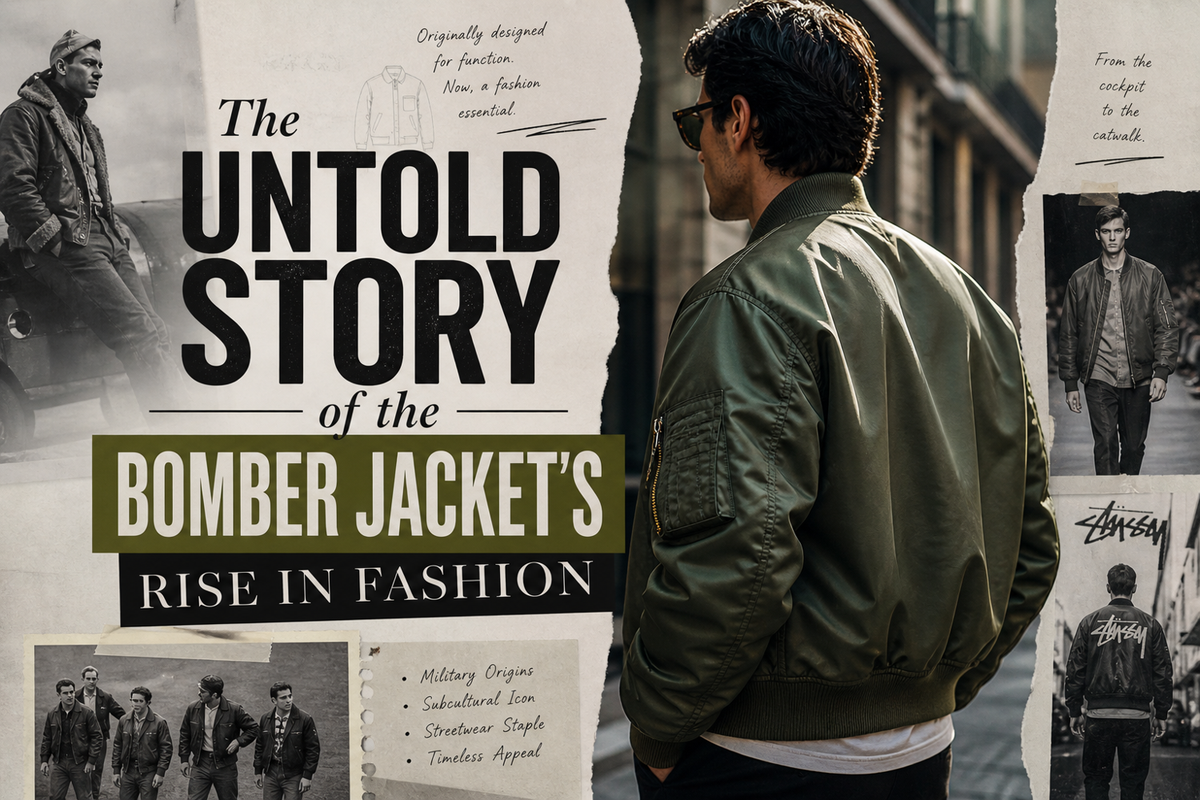
The Untold Story of the Bomber Jacket’s Rise in Fashion
Bomber jackets in today’s time come in various materials, including leather, nylon, suede, and quilted styles, as well as cropped, oversized, and other designs. What you see is the variations and modern versions of pragmatic design evolution. The history of bomber jackets takes us back to the open cockpits and freezing temperatures of early aviation. It was designed for survival, providing warmth and mobility. Over the decades, it got transformed into various types and moved out ot military use. The designs and materials kept changing as the needs and fashion of the world changed.
Let’s dive into the details of bomber jackets for men and women to understand the design logic and to know why it still matters.
Why Were They Invented

Pilots in the interwar years of WWI flew in open cockpits that were poorly heated. That means that at that time, they needed to wear warm garments that were also wind-resistant, which don’t interfere with control or harnesses. Soon, the aircraft speeds increased and operational needs started to change, so what began as leather and fur started to split into diverse solutions. The “flight jacket” category was crafted with everything that was needed to protect aircrew, and the bomber jacket is basically a civilian name that was given to pieces made to be worn off duty and into everyday life in case you were wondering why are they called bomber jackets.
The core historical line

Though there are many variations and each redefines how a bomber jacket fit. Here are the main variants of the military flight jacket that you will often see in museums and authentic reproductions.
A-series
A1 was the first-ever flight jacket that was mostly made from sheepskin or goatskin by the Army Air Corps of the USA in 1927. The details were knitted cuffs, a waistband, and a snap button closure in front. The inner lining was cotton, and the jacket was the highlight until it was replaced by A2.
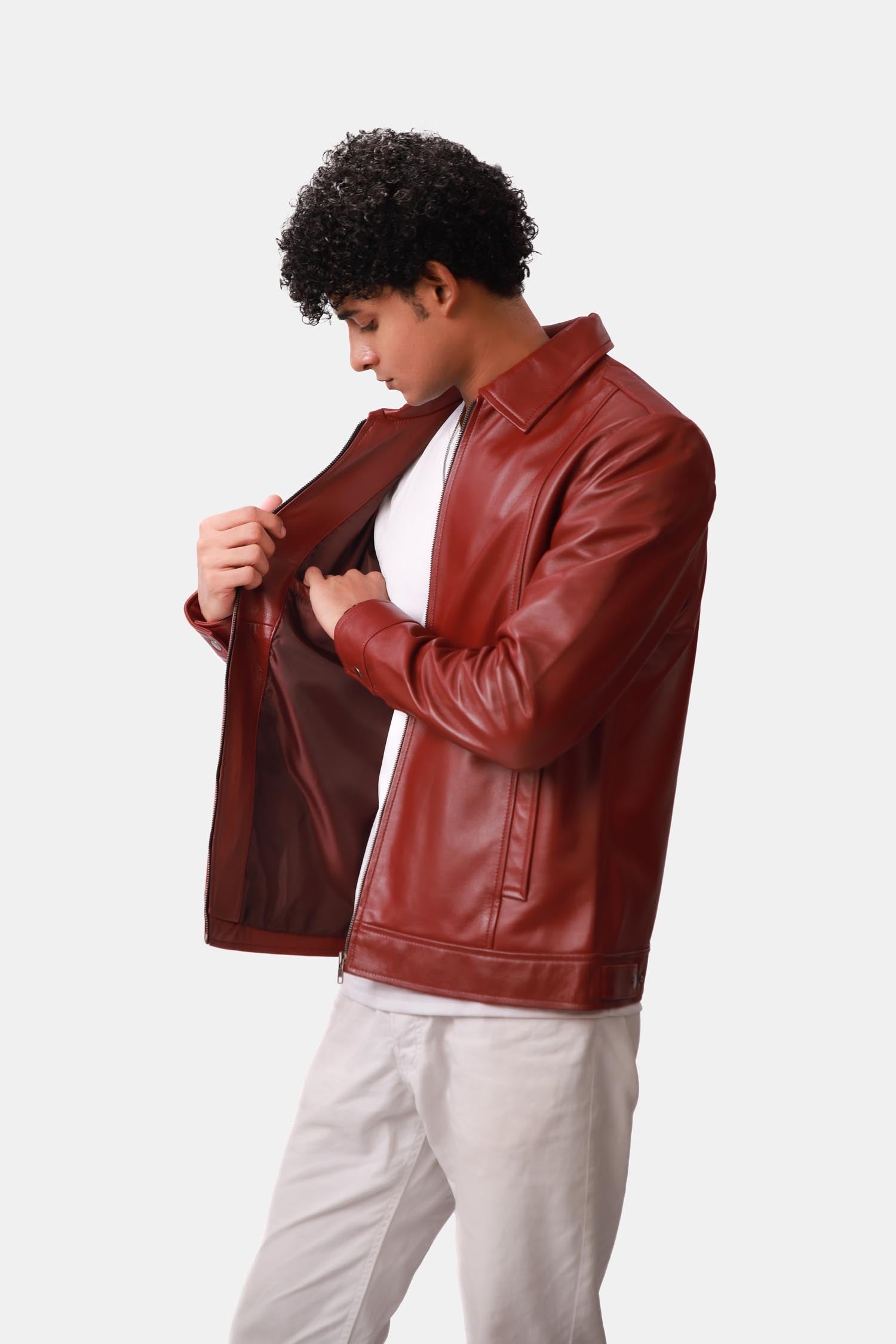
The A2 is a classic leather jacket, which was adopted by the U.S Army Air Corps in 1931. The jacket includes a front zipper, knitted waist & cuffs, and leaner body. It was crafted using horsehide and goatskin to provide ease of movement without feeling bulky. The A2 was quite a standard in the whole flight jacket line.
B-series
The B-3 came into being in 1934, which was designed specifically for high-altitude bomber crews. The jacket is made from sheepskin and fully lined with shearling. It has a foldable wide collar with buckle straps to close the throat due to harsh weather conditions. It was actually made for survival, as the crew was facing freezing conditions. The added bulk provides unmatched insulation, as it was its actual purpose. Later, started coming into various designs.
The next variations were B-6, B-7, B-10, and B-15. In the time of WWII, B-6 and B-7 were crafted using light sheepskin leather, and the B-10 and B-15 were made with cotton blends and nylon, with different types of lining crafted from alpaca or wool, as per the needs that shifted over time.
L-series
The early jet-age pieces were L-2, L-2A, and L-2B, which were made in the mid-1940s. These were the lighter jackets that were designed for the thermal profile of enclosed cockpits and speedy aircraft. These pieces do not have cherished stories but were an important step taken between heavy sheepskin and heat-age MA jackets.
MA / CWU series
The modern bomber MA-1 was made by refining the pattern of the B-15 in the 1950s. This jacket was made from nylon with ribbed cuffs and waist, which were either in bright orange or with high-visibility lining, so the downed aircrew could signal rescuers. It was perfect for the jet pilots and also for the people needing light warmth and comfort.
CWU jackets were mainly technical and had flame-resistant Nomex. The design includes fold-down collars, big pockets, and the MA-2 (MA-1) label was used commercially for these designs.
G-1
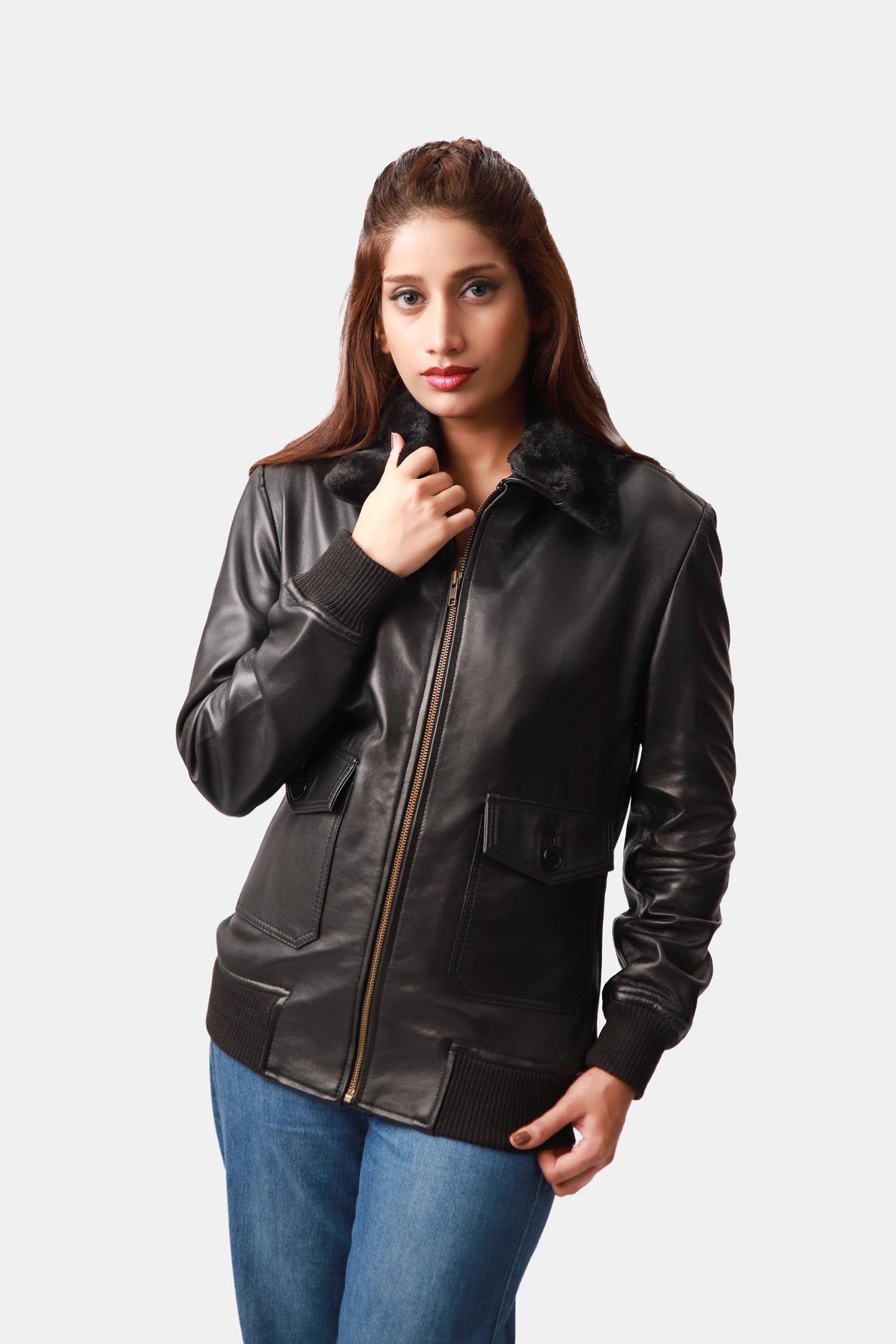
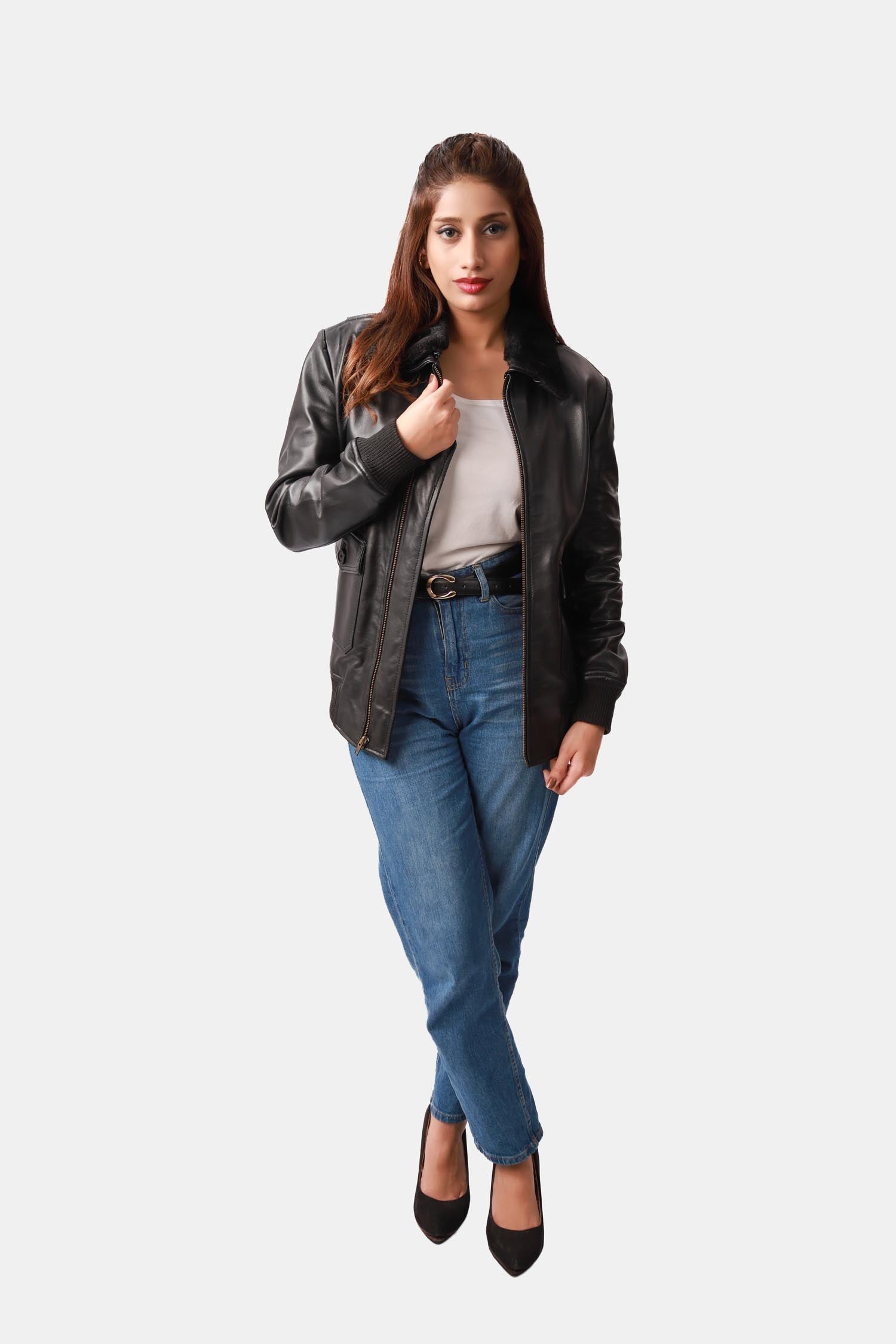
The G-1 version was made for naval aviators. It’s a jacket crafted from leather and has a fur collar. Soon, the specifications of this jacket started to be updated, but it remained a part of the clothing lists of naval aviation.
Irvin-type
The Irvin flying jacket was made for the British Air Force by Leslie Irvin’s company in the 1930s. There were different versions as well, made by other European countries. All the variants were made of sheepskin, but changes were made according to the needs and weather of certain places. This shows how different people from different areas of the world come up with their own versions of the bomber jacket.
The civilian branches and fashion offshoots

Bomber jackets became an absolute hit after people outside the military started wearing them. Many new designs were made, and in today’s time, here are the ones you will still see:
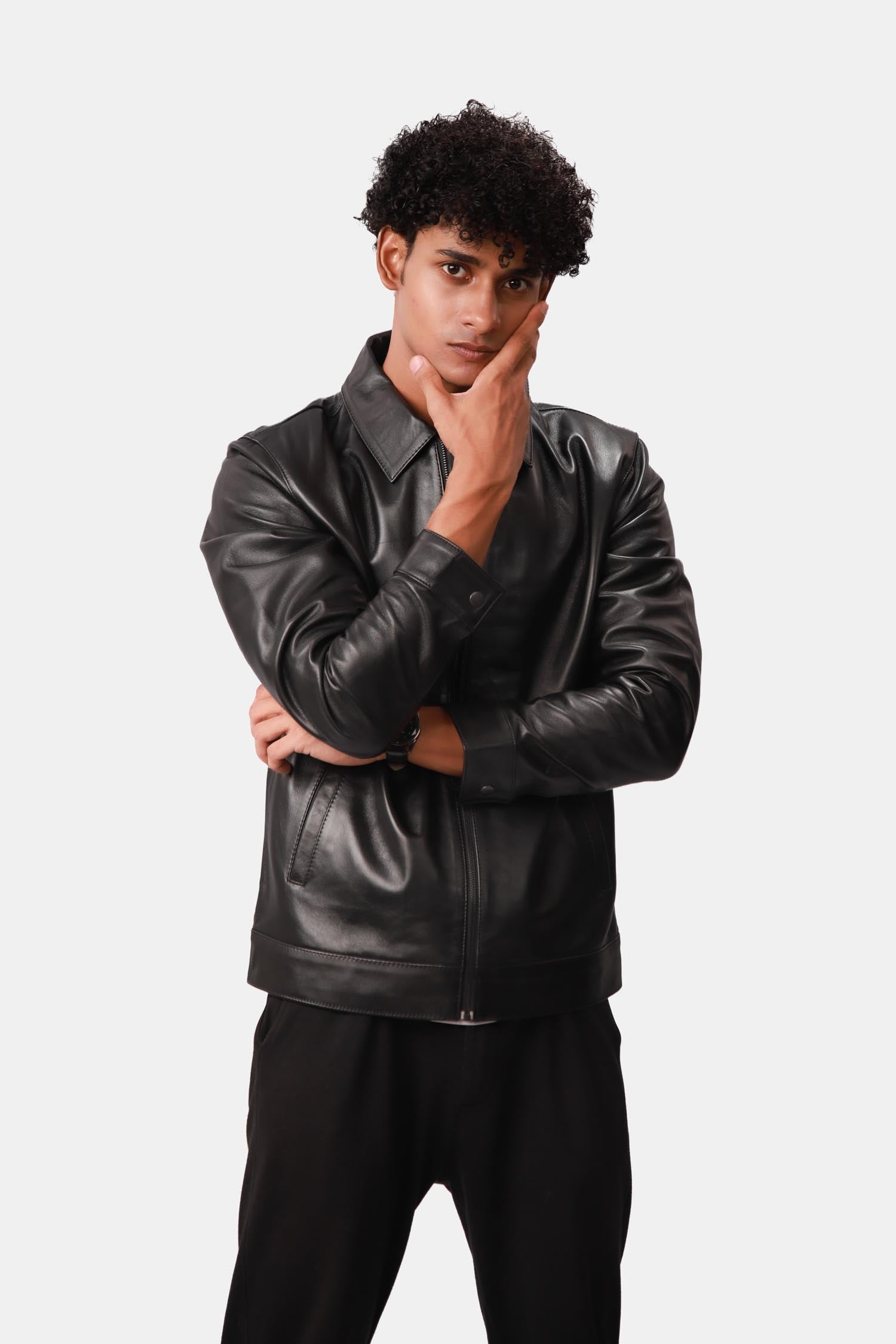
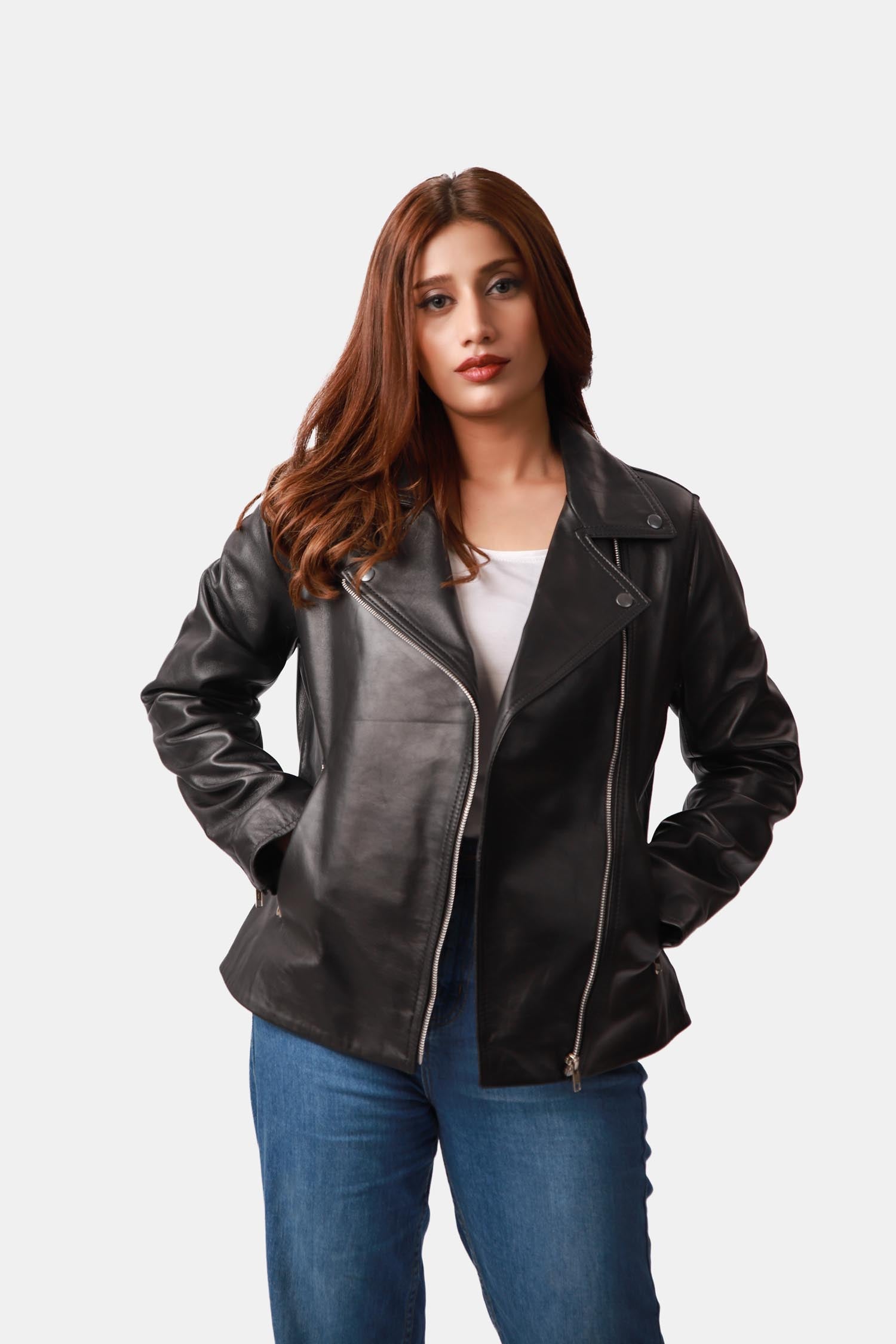
- Leather Bomber / Aviator: This version is inspired by A-2 or G-1 designs. This A-2 bomber jacket includes a heavy leather outer shell with normal and shearling collar options.
- Shearling / B-3 style: These are the fully shearling-lined ones made bulky intentionally to keep you warm. The B-3 bomber jacket is used widely for cold weather and luxury pieces.
- MA-1 / Nylon bomber: A streetwear staple available in a wide range of colors and fabrics. Many brands still use the iconic orange lining detail.
- MA-2 / CWU style: This version is a bit too technical to be useful for those people who want a bomber fit with modern pockets and fewer rib-knit details.
- Varsity / Letterman Bomber: The origins were actually related to schools and sports, but the varsity bomber jacket has become a fashion piece. Mostly, with a wool body and leather sleeves.
- Quilted / Padded Bombers: This variant is made to provide extra insulation for cold climates and is sometimes called blousons in fashion.
- Suede Bomber: It’s adored because of its smooth surface and lightweight body with trims and sleek details. The suede bomber jacket is known as Gen Z’s favorite fit.
- Designer takes: You will find new designs with mixed fabrics or cropped fits with embroidery and patches. There are further inventions in the current era.
Why so many variants?

All the variants were made depending on the heights of the planes at that time, or whether the cockpit was open or closed. The shearling material was used for open cockpits, and nylon was used for jets.
These jackets were made in large quantities and then later sold as surplus. When it was noticed that people loved the versatility and style it brought, new designs were made for fashion and self-expression.
Modern bomber design leaves room for richer textures, like the dark brown suede leather bomber jacket, which brings a deep brown suede finish, while the stunner nubuck bomber jacket offers a clean nubuck interpretation of the classic bomber silhouette.
The future of the Bomber Jacket

Now in 2026, jacket makers and designers are either reinterpreting the bomber fit for fashion new pieces or applying modern tech, like vegetable-tanned leather or water-repellent performance linings for better care and maintenance. Some pieces also include flame-resistant materials for safety.
The future looks more developed as new variants will continue to form, but with the same old traditional touch of a bomber.
Final Thoughts
The story of bomber jacket evolution is not a straight line. It’s more of a triangle of engineering fixes and material experiments, which later turned into fashion statement pieces with brands introducing their own inventions. So, next time you see a bomber jacket, know that it’s there because it worked well, and the practical DNA is the reason why designers from all over the world keep remixing it and why wearers keep choosing it.
FAQs
Why do they call it a bomber jacket?
The reason why they are called bomber jackets is that they were created for bomber crews during World War I and II to keep them warm at high altitude.
Are bomber jackets still a thing?
Yes, bomber jackets are still trending in 2026 and are worn as an everyday stylish staple.
Can you wear a bomber jacket over a collared shirt?
Yes, you can surely wear a bomber jacket over a collared shirt. It’s a versatile and timeless combination that mixes casual and formal aesthetics.
What is a bomber jacket?
A bomber jacket is a waist-length outerwear which was in initially created as flight jacket for pilots during WWI and WWII. It features front zipper, ribbed cuffs, collar and waistband.